

Trump Claims Iran Agrees to Abandon Nuclear Weapons as New Peace Proposal Emerges
US President Says Tehran Has Accepted Key Demand While Negotiations Continue
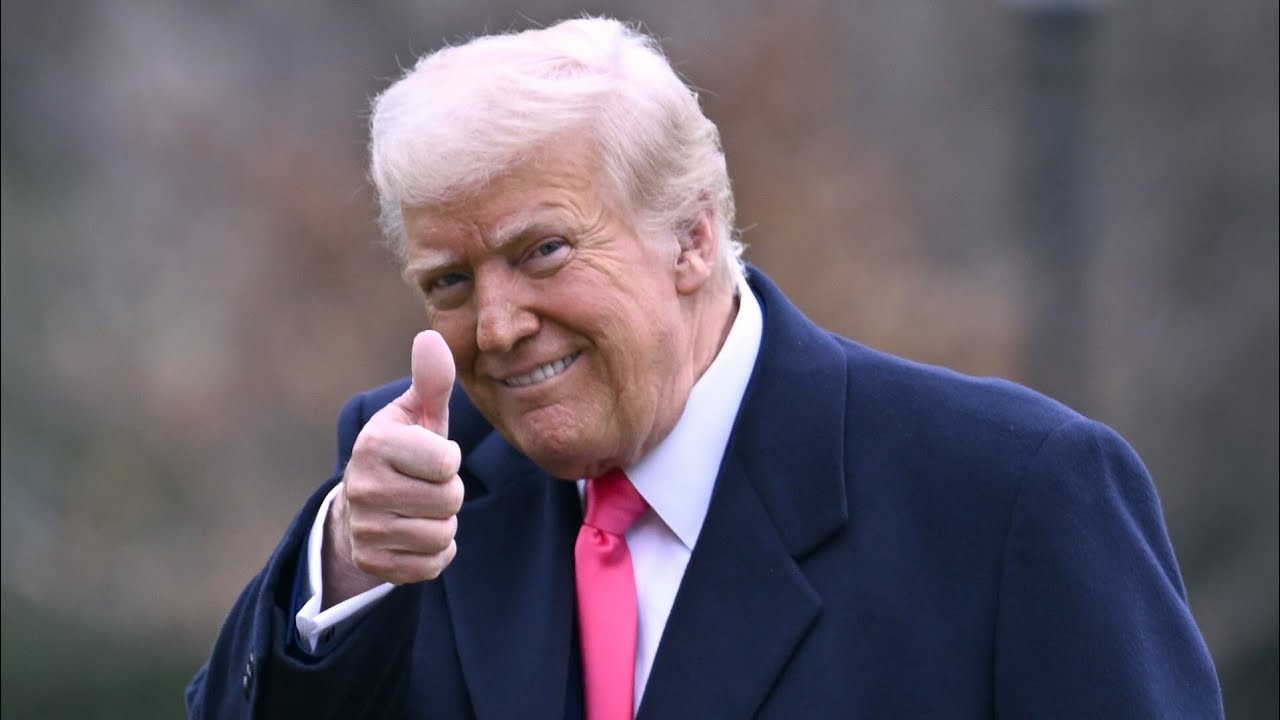
U.S. President Donald Trump has claimed that Iran has agreed not to develop nuclear weapons as negotiations continue over a potential agreement aimed at ending months of conflict and reopening the strategically vital Strait of Hormuz.
The statement comes amid reports that Washington has presented Tehran with a revised peace framework containing tougher conditions, potentially delaying a final agreement but keeping diplomatic efforts alive.
Trump Says Nuclear Commitment Is Non-Negotiable
Speaking during an interview broadcast on Fox News, Trump said he had secured assurances from Iran regarding its nuclear ambitions.
“The one guarantee that I have to have is that there will be no nuclear weapons. They’ve agreed to that,” Trump said, describing the development as a significant breakthrough.
Preventing Iran from obtaining nuclear weapons has remained a central objective of the Trump administration throughout negotiations to end the ongoing regional conflict.
Reports Suggest Tougher US Proposal Sent to Tehran
According to reports from major U.S. media outlets, including The New York Times and Axios, the White House has recently submitted a revised framework to Iranian negotiators featuring stricter terms than previous proposals.
While details of the updated proposal have not been publicly disclosed, officials suggest it focuses on nuclear restrictions, maritime security, and the future reopening of the Strait of Hormuz.
Neither Washington nor Tehran has confirmed the exact contents of the latest draft.
Iran Signals Continued Disagreements
Despite Trump’s optimistic remarks, Iranian officials have repeatedly indicated that significant differences remain between the two sides.
Tehran has reportedly demanded access to approximately $12 billion in frozen assets before entering more comprehensive negotiations concerning its nuclear program and broader regional issues.
Iranian authorities have also rejected previous U.S. claims regarding the destruction of enriched uranium stockpiles, describing such statements as unfounded.
In addition, Iranian officials continue to insist that developments in Lebanon must be included in any comprehensive settlement.
Ceasefire Faces Ongoing Challenges
Although a temporary ceasefire reached in April significantly reduced large-scale hostilities between the United States and Iran, tensions remain high.
Recent incidents have included reports of Iranian forces shooting down a U.S. military drone near Iranian territorial waters, though Washington has not officially confirmed the claim.
Earlier this week, clashes intensified when U.S. forces conducted strikes near the southern Iranian port city of Bandar Abbas, followed by retaliatory action from Iran.
These incidents underscore the fragile nature of the ceasefire despite ongoing diplomatic engagement.
Strait of Hormuz Remains Key Negotiating Point
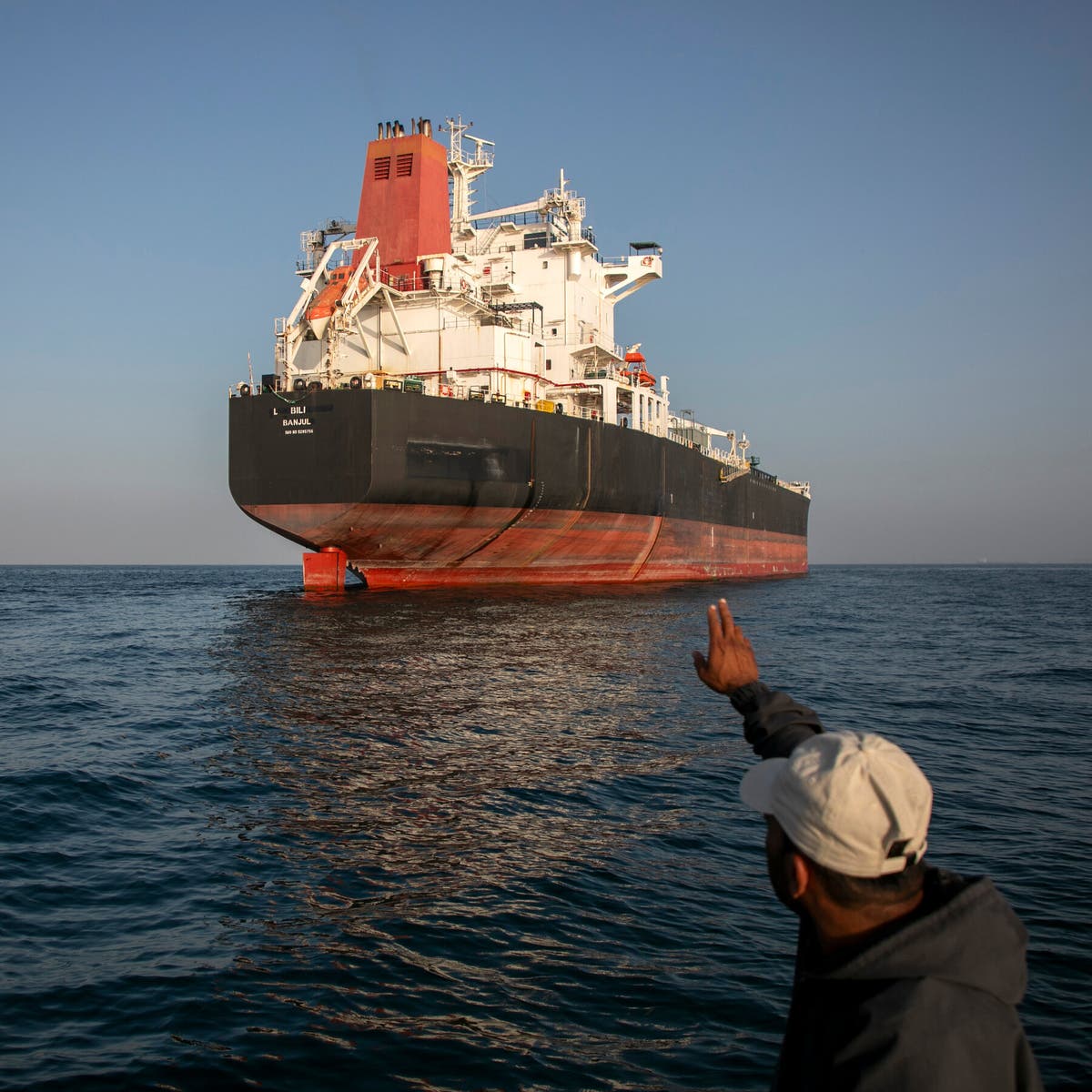
The future of the Strait of Hormuz remains one of the most important issues in the talks.
The waterway serves as a critical route for global oil and natural gas shipments, and disruptions caused by the conflict have contributed to higher energy prices worldwide.
Trump recently stated that Iran would not impose tolls on commercial vessels once maritime restrictions are lifted. However, Iranian media reports have disputed that claim, saying no such provision currently exists in the draft agreement.
Meanwhile, Iranian lawmakers are reportedly considering legislation that would strengthen Tehran’s authority and management over the strategic shipping corridor.
Israel Expands Operations in Lebanon
Regional tensions remain elevated beyond the U.S.-Iran dispute.
Israel has expanded military operations in southern Lebanon, with Prime Minister Benjamin Netanyahu stating that Israeli forces have advanced deeper into Hezbollah-controlled territory.
Lebanese officials accused Israel of implementing a “scorched-earth policy” and called for an immediate and lasting ceasefire.
The Israeli military also confirmed an expansion of ground operations targeting Hezbollah positions in southern Lebanon.
Outlook Remains Uncertain
While both Washington and Tehran continue to engage in diplomatic negotiations, major disagreements remain unresolved.
Trump has signaled that he is willing to continue talks but warned that military options remain available if a satisfactory agreement cannot be reached.
For now, the future of the ceasefire, the Strait of Hormuz, and Iran’s nuclear program remains uncertain as negotiators work toward a potential breakthrough agreement that could reshape security and energy markets across the Middle East.