

US and Iran Reportedly Near Strait of Hormuz Deal as Fragile Ceasefire Holds
The United States and Iran are reportedly moving closer to a preliminary agreement that could reopen the Strait of Hormuz, extend the current ceasefire, and pave the way for broader negotiations aimed at ending months of conflict in the Middle East.
According to U.S. officials familiar with the talks, negotiators have been working on a draft “memorandum of understanding” that could help stabilize the region after weeks of military escalation and severe disruption to global energy markets.
Proposed Agreement Could Reopen Key Global Shipping Route
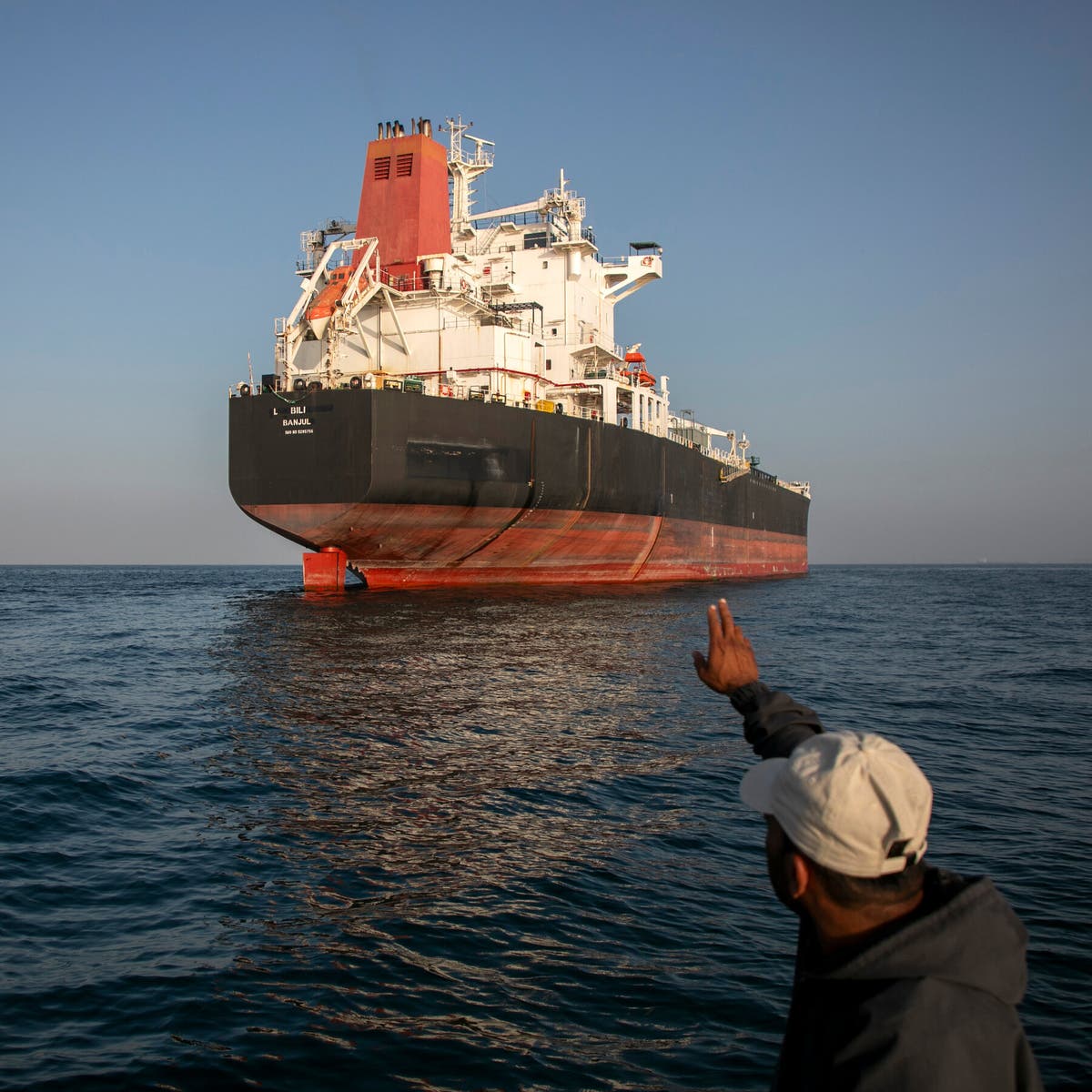
The emerging framework reportedly includes steps that could eventually restore commercial shipping through the Strait of Hormuz, one of the world’s most important energy transit corridors.
The strategic waterway has remained heavily restricted since war erupted between the United States, Israel, and Iran earlier this year, sending global oil and liquefied natural gas prices sharply higher.
Experts caution that even if an agreement is finalized soon, it could still take weeks before normal shipping operations fully resume.
The proposed arrangement may also include phased economic relief for Iran, potentially giving both sides an incentive to maintain the ceasefire and continue negotiations.
Trump Yet to Approve Final Framework
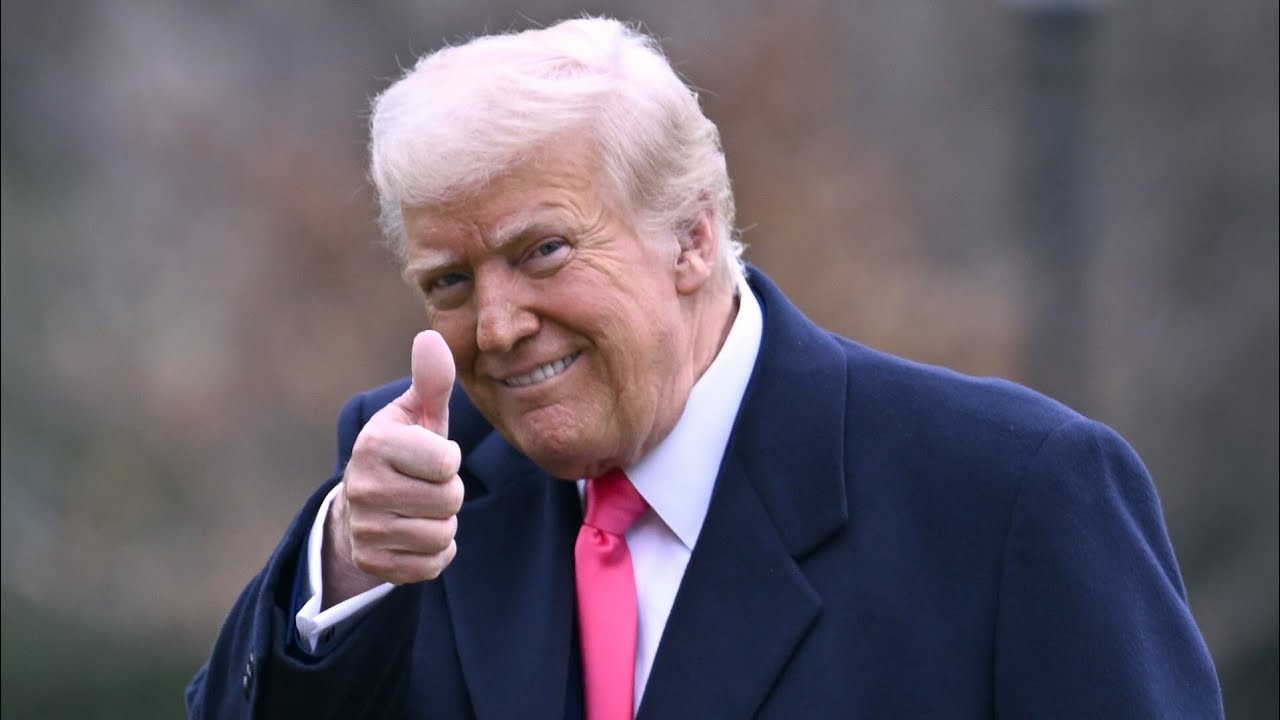
Despite progress in negotiations, President Donald Trump has not yet formally approved the proposed agreement, according to U.S. officials.
The White House has provided only limited details about the discussions, while Iranian officials have not publicly confirmed any final commitments.
Trump has repeatedly stated that Iran will not be allowed to control the Strait of Hormuz and has insisted the United States will continue monitoring the waterway.
At the same time, Iranian officials have reportedly discussed maintaining influence over the Strait and charging fees for vessels passing through it.
Diplomats involved in the negotiations say communication between Washington and Tehran remains difficult, partly because senior Iranian leadership is reportedly operating under heightened security conditions.
Fresh Military Clashes Highlight Fragile Situation
The latest diplomatic efforts come amid renewed military exchanges that underline how unstable the ceasefire remains.
Overnight, Iran reportedly launched a ballistic missile toward a U.S. military base in Kuwait in response to recent American strikes in southern Iran.
U.S. Central Command said Kuwaiti defenses intercepted the missile before impact.
Iran’s Islamic Revolutionary Guard Corps (IRGC) warned that any future U.S. attacks would trigger a “more decisive” response.
The missile incident followed additional American military operations targeting Iranian positions after U.S. officials accused Tehran of threatening security near the Strait of Hormuz.
Major Issues Still Unresolved
Although negotiators appear closer to a temporary framework, several critical disputes remain unresolved.
The future of Iran’s nuclear program remains one of the biggest obstacles in talks. Trump has repeatedly demanded that Tehran give up its stockpile of highly enriched uranium and permanently prevent the development of nuclear weapons.
Meanwhile, broader regional tensions continue to complicate diplomacy.
Conflict Expands Across Middle East
At the same time, violence has intensified elsewhere in the region.
Israel has expanded military operations against Hezbollah in Lebanon, carrying out strikes in Beirut for the first time in weeks and increasing fears of a wider regional war.
In Gaza, Israeli Prime Minister Benjamin Netanyahu announced plans to expand Israeli military control over 70 percent of the territory as ceasefire negotiations with Hamas remain stalled.
Iranian Supreme Leader Ayatollah Mojtaba Khamenei also issued a statement urging national unity while warning against internal divisions during the ongoing crisis.
Global Markets Watching Closely
International markets and governments are closely monitoring developments as the Strait of Hormuz crisis continues to impact energy supplies worldwide.
Any lasting agreement between Washington and Tehran could help stabilize oil prices and reduce fears of broader regional conflict.
However, with military skirmishes continuing even during negotiations, analysts warn that the situation remains highly volatile despite signs of diplomatic progress.