

Indian Muslims Face Eid Prayer Restrictions Amid Rising Fear and Tension
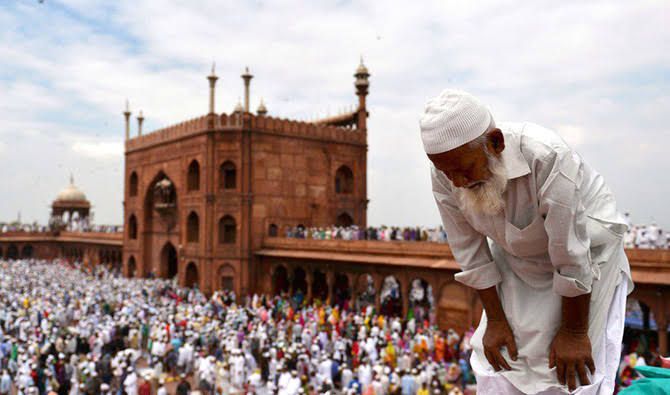
Muslim communities across several Indian states are preparing for Eid al-Adha under growing restrictions and heightened anxiety, as authorities tighten rules on public prayers and right-wing Hindu groups intensify opposition to religious gatherings in open spaces.
In Uttar Pradesh, India’s most populous state, mosque committees are asking worshippers to pray in shifts and avoid gathering outside mosques to prevent confrontation with police and local authorities.
Mosque Committees Urge Caution Before Eid
In villages and cities across Uttar Pradesh, discussions ahead of Eid have shifted away from celebrations and focused instead on crowd control, police permissions, and avoiding public visibility.
Mosque committees in areas such as Meerut and Aligarh are advising worshippers not to spill onto roads during Eid prayers, warning them to avoid arguments, filming, or responding to provocations.
“If the mosque fills up, wait for the next prayer shift,” community organisers reportedly told worshippers during local meetings.
Many Muslims say the atmosphere around Eid has changed dramatically in recent years, especially in BJP-governed states where restrictions on public namaz have become increasingly common.
Fear Grows Over Crackdowns and Surveillance
Several worshippers told reporters they feared legal action, online harassment, or police scrutiny if Eid prayers extend into public spaces.
“People are naturally scared,” one Muslim resident in Meerut said anonymously, citing previous incidents where worshippers were reportedly booked by police or faced administrative action after praying in open areas.
Others described a growing fear of being filmed, targeted on social media, or accused of violating public order.
“Earlier, Eid mornings felt joyful. Now there is tension from the night before,” said Arshad, a shopkeeper in Meerut.
Muslims say even routine religious practices are increasingly being treated as security concerns.
Uttar Pradesh Government Pushes Shift-Based Prayers
The BJP-led government in Uttar Pradesh, headed by Chief Minister Yogi Adityanath, has intensified its stance against public prayers on roads and open grounds.
Earlier this month, Adityanath publicly urged Muslims to offer Eid prayers “in shifts” and warned that authorities would adopt “another method” if instructions were ignored.
Right-wing Hindu organisations, including the Vishwa Hindu Parishad (VHP), have also demanded a nationwide ban on prayers on roads, arguing that such gatherings disrupt traffic and public order.
Muslim groups, however, say the restrictions ignore the reality that many mosques and Eidgah grounds cannot accommodate large crowds during Eid and Friday prayers.
Concerns Over Selective Enforcement
Critics argue that authorities are applying rules unevenly by restricting Muslim religious gatherings while allowing large Hindu processions and festivals with police support and traffic arrangements.
Legal experts and activists say the growing controversy reflects wider concerns about religious freedom and equal treatment under India’s constitution.
Analysts also warn that repeated debates over hijabs, halal food, loudspeaker azaan calls, and public prayers are creating a deeper sense of insecurity among India’s Muslim population.
“When a community begins to fear assembling publicly for prayer during one of its most important religious occasions, it reflects a larger shift in how public space is negotiated,” one researcher told local media.
Eid Preparations Continue Despite Anxiety
Despite growing fears, Eid preparations continue across Muslim neighbourhoods in India.
Markets remain crowded with shoppers buying clothes, sweets, and sacrificial animals, while volunteers inside mosques prepare prayer areas and organise worshippers ahead of Eid morning.
But many Muslims say the celebrations are now overshadowed by uncertainty and caution.
“People simply want to pray and return home,” said Danish Khan, a garment seller in Old Delhi. “But now every Eid comes with uncertainty about what new rules might appear.”